My approach
One practice drawing on several ways of working, put together to fit you rather than the other way round.
Dramatherapy
The clinical application of drama and theatre processes as the therapeutic medium.
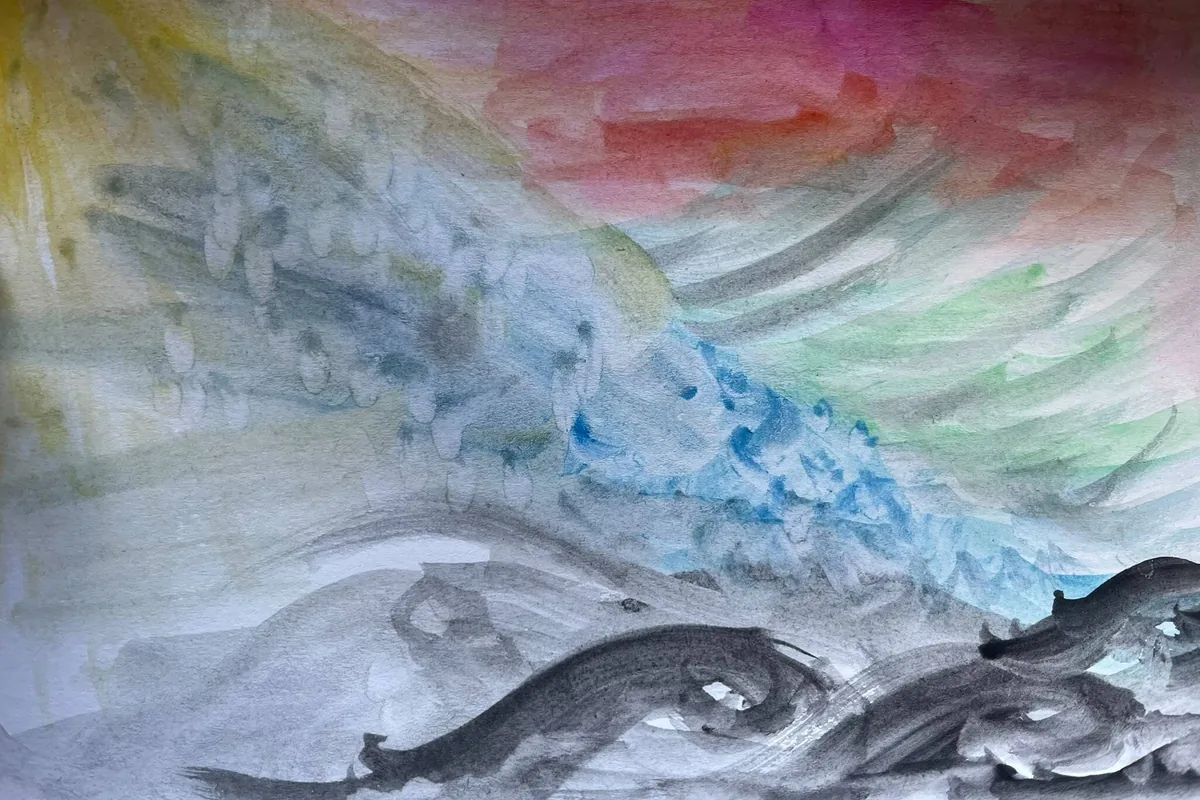
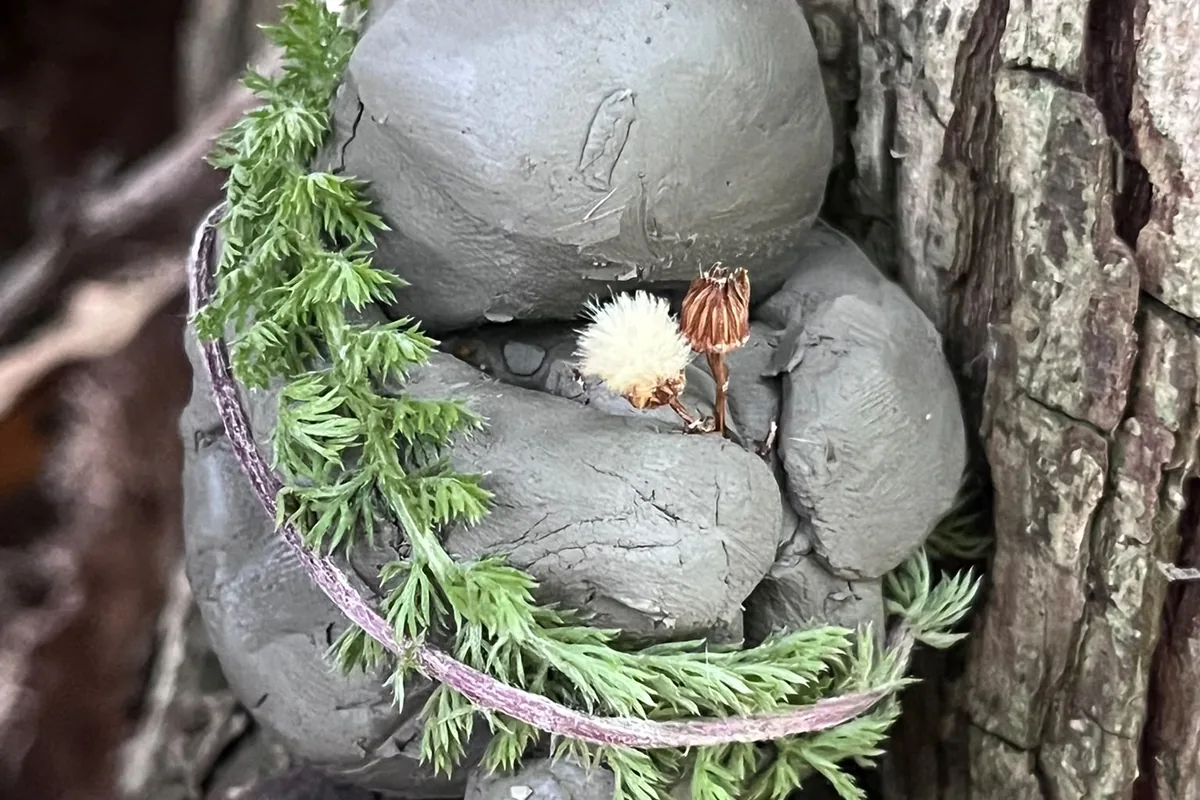
Dramatherapy is an allied health profession, regulated in the United Kingdom by the Health and Care Professions Council. It is the deliberate clinical application of the therapeutic properties of drama and theatre: action-based methods drawing on role, character, metaphor, image, story and movement to support creativity, imagination, insight and psychological development.
Working through dramatic form allows material to be approached at a manageable distance. Representing an experience in image or in role makes it available for examination without requiring direct confrontation, which is of particular value where the experience is not yet accessible in words, or where direct disclosure would overwhelm.
No performance experience or artistic ability is required, and the method adapts well to remote delivery.
Ecotherapy
Working with the natural world as an active part of the therapy, indoors or out.
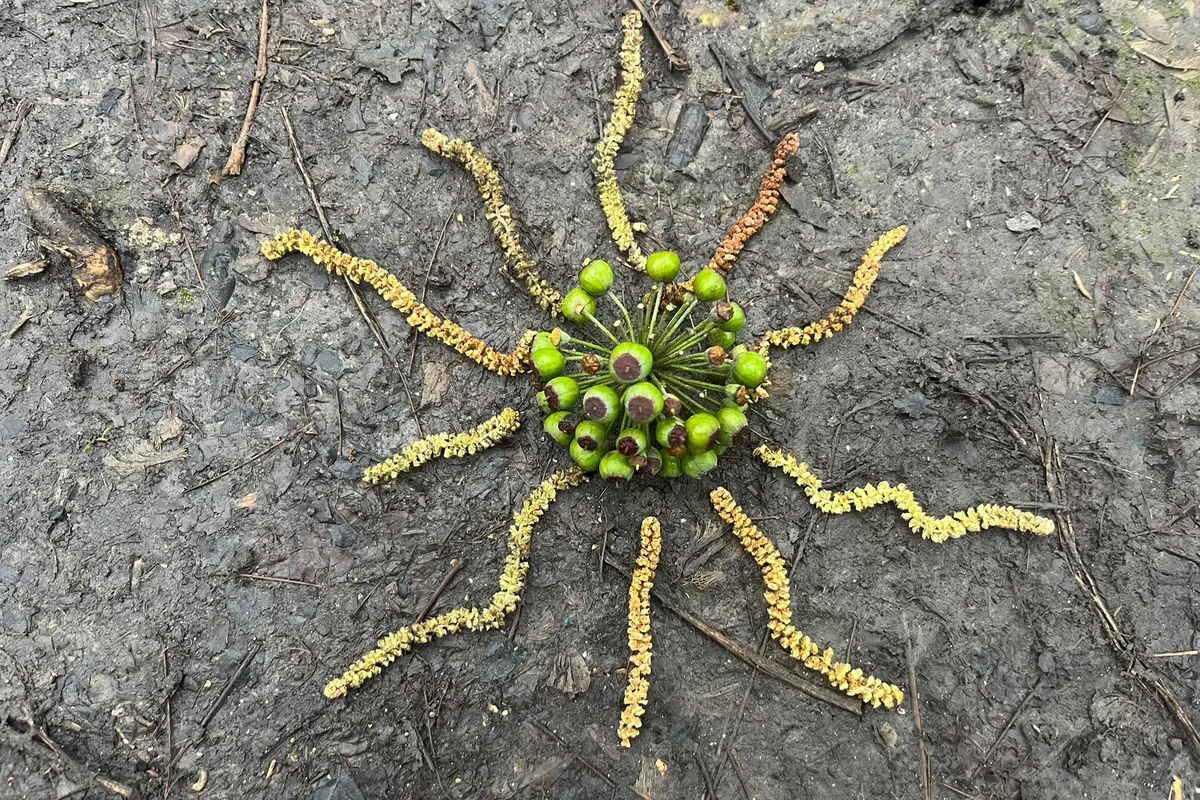
Ecotherapy brings the natural world into the work as an active part of it rather than a backdrop. People often find they settle more quickly this way, speak more freely, and think more clearly than they manage sitting face to face in a room.
In practice that might mean walking and talking outdoors, or working indoors with natural things to hand — a stone, a piece of wood, a photograph of a landscape you know well. The living world lends us metaphor: things lying dormant, weather passing through, ground that holds. Those images give shape to experiences that are hard to say straight out.
I draw on the Natural Self Eco-Therapy model developed by the Natural Academy, which brings together person-centred therapy, Internal Family Systems and nature-based practice. Much of that work explores wholeness — noticing the different parts of yourself, including the ones in conflict with each other, and finding a way for them to belong together.
Somatic approaches
Using your body as a resource, paying attention to physical sensations and the nervous system rather than relying on talking alone.
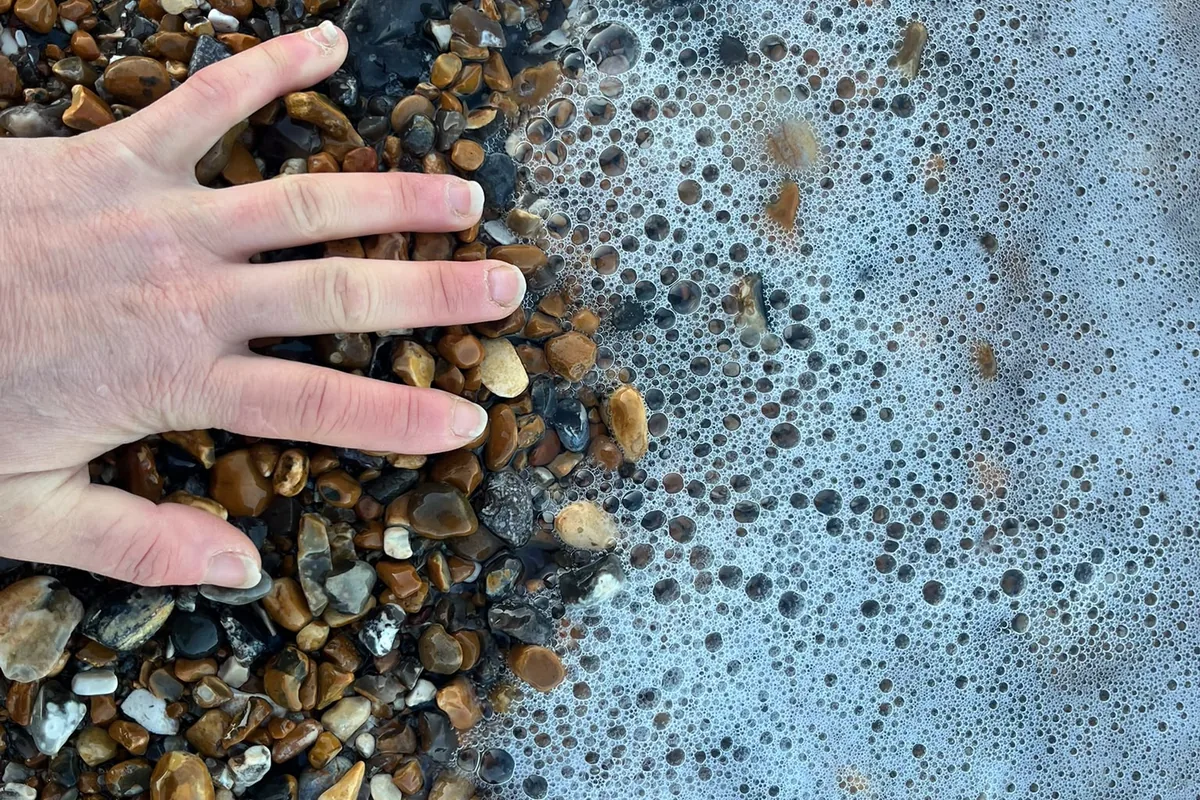
A great deal of what we carry is not stored as memory in the way we usually picture memory. It is in the body. The tension that never quite lets go, the startle response that fires at nothing, the tiredness that sleep does not touch, the sense of being braced against something that stopped happening years ago.
Somatic work goes at that directly. It means slowing right down and noticing what is actually happening — tightness, temperature, restlessness, the urge to move or to get out of the room — and treating all of that as information rather than background noise. Much of the time we are working with your nervous system: how quickly it tips into alarm, and what genuinely helps it settle again.
This is where my yoga and mindfulness therapy training comes in, though I should say plainly that it is not a yoga class. It is closer to getting to know the particular signals your own body sends, and building a bit of capacity to shift them, so that a strong feeling becomes something you can stay present to instead of something that takes you over.
Pace really matters here. Going too fast into bodily experience can be destabilising in itself, especially where there is trauma in the picture. So we work at a speed that keeps you inside what you can actually tolerate. And you set that pace, not me.
Trauma-informed practice
Assuming that what you are struggling with has a history, and working in a way that does not repeat it.

Trauma-informed practice is not a technique. It is a stance that sits underneath everything else, and it starts by changing the question. Not what is wrong with this person. What happened to them, and what did they have to do to get through it?
Ask it that way round and a great deal of what looks like a problem turns out to be an adaptation. Hypervigilance made sense somewhere. Shutting down made sense somewhere. Finding it hard to trust a therapist makes complete sense if trusting people has gone badly before. So the work is not to strip those things out. It is to understand what they were for, and then to work out together whether you still need them.
In practice that means a few things. You keep choice and control over the pace and the direction, because losing both is so often part of what happened in the first place. I will tell you what I am suggesting and why, rather than doing something to you. And we build enough steadiness before going anywhere near the hard material — because telling the story is not automatically healing. It can retraumatise, and I would rather say that plainly than pretend otherwise.
It also means I pay attention to what comes up in me, and that I take this work to regular supervision. That is a professional requirement, but it is not a box to tick. It is one of the things that keeps you safe.